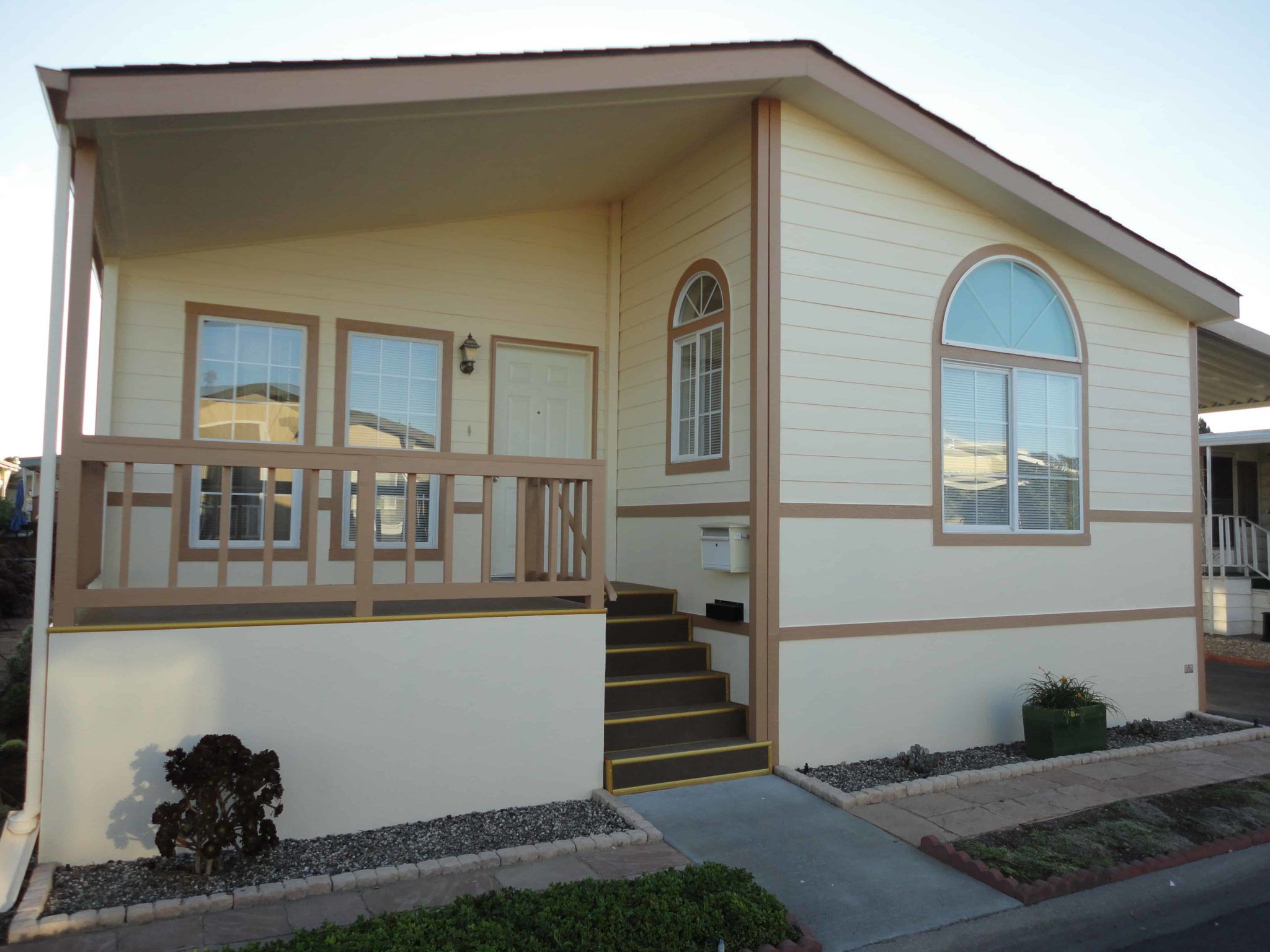
Sun 08/27 | In Biloxi, the Recovery Is Quick -- For Some BILOXI, Miss. -- If there is a booming recovery anywhere amid Hurricane Katrina's wreckage, it is here in this city of casinos, fishermen and beaches. |
Sat 08/26 | Hurricane Center Chief Set to Retire MIAMI (AP) -- When he retires as director of the National Hurricane Center in January, Max Mayfield will have spent 34 years guiding Americans through some of the busiest, most destructive Atlantic hurricane seasons on record.... |
Fri 08/25 | Ernesto Picks Up Speed in the Caribbean Tropical Storm Ernesto was on its way to becoming the first hurricane of the season, forecasters said late Friday, and appeared to be headed for the Gulf of Mexico. |
Fri 08/25 | Tropical Storm Ernesto threatens Caribbean MIAMI (Reuters) - The fifth tropical storm of the Atlantic hurricane season, Ernesto, formed in the Caribbean on Friday and could become a hurricane threatening U.S. oil and gas platforms in the Gulf of Mexico on the anniversary of Hurricane Katrina, forecasters said. |
Fri 08/25 | Natural Hazards: Storm: Hurricane Ioke Hurricane Ioke started as a tropical depression on August 19, 2006, and quickly became a tropical... |
Fri 08/25 | Natural Hazards: Storm: Hurricane Ileana Hurricane Ileana started as all tropical cyclones do, as a depression -- an area of low atmospheric... |
Fri 08/25 | Tropical weather system could become Ernesto soon MIAMI (Reuters) - Swirling thunderstorms in the eastern Caribbean Sea could become Tropical Storm Ernesto on Friday and a hurricane next week, forecasters said, while Tropical Storm Debby weakened in the Atlantic far from land. |
Fri 08/25 | Commerce Secretary Announces $128 Million Cooperative Agreement to Assist Gulf States Recover and Monitor Fisheries; Gulf Seafood Safe to Eat as One-year Anniversary of Hurricane Katrina Approaches During a visit to New Orleans, U.S. Commerce Secretary Carlos M. Gutierrez announced the award of $128 million for the five Gulf Coast States to respond to the devastation of Hurricanes Katrina and Rita. Specifically, these funds will be used by the states to assist in the restoration of oyster beds and shrimp grounds rehabilitation, as well as monitoring the recovery of the Gulf fisheries. Gutierrez also declared that Gulf seafood continues to show no signs of elevated contaminants as the one-year anniversary of Hurricane Katrina approaches. Since the devastating impact of Hurricanes Katrina and Rita, the NOAA Fisheries Service has worked closely with its Gulf coast partners to help ensure the recovery and restoration of affected fisheries. |
Thu 08/24 | Is Gulf Coast Ready for Another Hurricane? A year after Hurricane Katrina devastated much of the U.S. Gulf Coast, residents there wait uneasily to see what the 2006 hurricane season might send their way. |
Thu 08/24 | Photo Gallery: New Orleans Then and Now, In Katrina's Wake On the hurricane's first anniversary, New Orleans is a patchwork of recovery and neglect, as seen in photos showing landmarks as they looked a year ago and today. |
Thu 08/24 | Video Time Line: Hurricane Katrina Follow a day-by-day account of Katrina's wrath, from its birth in the Atlantic Ocean to the storm's costly aftermath. Warning: contains some graphic imagery |
Wed 08/23 | What happens after the water recedes? New Orleans universities are still struggling to recover from the ravages of Hurricane Katrina. Heidi Ledford examines how researchers at one leading institution are coping. |
Thu 08/24 | Hurricane-proof homes too costly, experts say MIAMI (Reuters) - With solid concrete walls and roofs and laminated glass windows protected by storm shutters, a house can be built to withstand nearly any hurricane. But very few are. |
Wed 08/23 | Debby Likely to Become Hurricane Forecasters said the tropical storm would probably become a hurricane, the first of the 2006 season. |
Wed 08/23 | Hurricane Katrina's Ecological Legacy: Lost Swamps, Crops, Islands Coastal erosion, wetlands die-off, and shrinking barrier islands are the lasting impacts still being felt a year after the major storm hammered the U.S. Gulf Coast. |
Wed 08/23 | Tropical Storm Debby strengthens slightly Debby had maximum sustained winds near 50 mph (85 kph) and was about 500 miles west of the Cape Verde Islands, the Miami-based hurricane center said in its latest advisory. |
Wed 08/23 | Ozone Hole Stable, Say Scientists from BBC News Online: Leading scientists in the United States say the hole in the ozone layer of the Earth's atmosphere above the Antarctic appears to have stopped widening. The ozone layer blocks the Sun's ultra-violet rays, exposure to which is harmful to humans, animals and plants. International agreements were reached to end the use of ozone-depleting chemicals called CFCs after the hole was discovered in 1986. It is hoped the hole may "heal" fully over the next 60 years. Two of the scientists [David Hofman and Susan Solomon] whose work helped alert the world to the existence of a hole in the ozone layer in the 1980s told a conference in Washington they were hopeful that the ozone layer was recovering. |
Wed 08/23 | Debby becomes season's 4th tropical storm MIAMI (Reuters) - Debby, a tropical depression in the far eastern Atlantic, strengthened into the fourth tropical storm of the 2006 hurricane season, the U.S. National Hurricane Center said on Tuesday night. |
Tue 08/22 | Atlantic storm system skirts Cape Verde Islands MIAMI (Reuters) - The fourth tropical depression of the Atlantic hurricane season brushed the Cape Verde Islands on Tuesday and forecasters said it would intensify slowly as it moved over open water in the coming days and could eventually threaten Bermuda. |
Tue 08/22 | Katrina's Pet Legacy: Better Evacuation Plans, Bitter Custody Lawsuits A year after Hurricane Katrina, new laws and big shelters are cropping up nationwide to better accommodate pets during a disaster. But so are lawsuits over the storm's pet refugees. |
Tue 08/22 | Fourth Potential Hurricane Gathers Strength Forecasters said it was far too early to tell whether the storm would eventually become a hurricane. |
Tue 08/22 | NOAA, NSF Observe 20th Anniversary of Ozone Hole Success Story Twenty years ago this month, four teams of scientists from NOAA, NASA and two universities arrived in Antarctica seeking to determine the cause of a hole in the Antarctic ozone layer. Their efforts helped determine the chemical basis for the ozone loss and formed the scientific basis for the resulting international treaty phasing out the production of chlorofluorocarbons, or CFCs, which has led to a decline in ozone-depleting gases. This is an example of the quality science conducted by NOAA scientists and their colleagues, often in extreme conditions, and how it informs those who make decisions that affect our daily lives, said retired Navy Vice Adm. Conrad Lautenbacher, Ph.D., undersecretary of commerce for oceans and atmosphere and NOAA administrator. |
Tue 08/22 | News: Charting New Territory with Hurricane Relief Mapping A scientist is working to develop more accurate and precise spatial models and maps for use in... |

Tue 08/22 | News: Establishing a Connection between Global Warming and Hurricane Intensity Climate change is affecting the intensity of Atlantic hurricanes and hurricane damage will likely... |
Mon 08/21 | Miss. Continues Restoring Oyster Reefs BILOXI, Miss. (AP) -- State biologists will continue restoration of Mississippi's oyster reefs damaged by Hurricane Katrina by distributing over 8,100 cubic yards of cultch material in the Telegraph Reef area about 6 miles south of the Bay of St. Louis.... |
Sun 08/20 | Atlantic hurricanes could rev up any time MIAMI (Reuters) - There has been little action in the 2006 Atlantic hurricane season so far, but that may be about to change. |


Mon 08/21 | Ozone-Friendly Chemicals Lead to Warming from the Boston Globe (Registration Required): WASHINGTON - Cool your home, warm the planet. When more than two dozen countries undertook in 1989 to fix the ozone hole over Antarctica, they began replacing chloroflourocarbons in refrigerators, air conditioners and hair spray. But they had little idea that using other gases that contain chlorine or fluorine instead also would contribute greatly to global warming. CFCs destroy ozone, the atmospheric layer that helps protect against the sun's most harmful rays, and trap the earth's heat, contributing to a rise in average surface temperatures. |

Mon 08/21 | Devon Island Like No Place on Earth from the Chicago Tribune (Registration Required): DEVON ISLAND, Nunavut - They call this place "Mars on Earth," and, for at least another generation, this barren, cratered island not far from the North Pole is as close to the Red Planet as any human being is going to get. . . .Which is why, every summer for the last 10 years, a handful of geologists, astronomers, engineers and NASA researchers have been camping atop the frozen arctic ground here, along the rim of the giant 23 million-year-old Haughton asteroid crater, to begin figuring out how astronauts can one day survive on Mars. |
Sun 08/20 | Scientists Disagree On Link Between Storms, Warming A year after Hurricane Katrina and other major storms battered the U.S. coast, the question of whether hurricanes are becoming more destructive because of global warming has become perhaps the most hotly contested question in the scientific debate over climate change. |


Sun 08/20 | Storms' Link to Warming Debated A year after Hurricane Katrina and other major storms battered the U.S. coast, the question of whether hurricanes are becoming more destructive because of global warming has become perhaps the most hotly contested question in the scientific debate over climate change. |
Sat 08/19 | Moderate earthquake hits Mexico coast, felt in city The epicenter of the 5.5 magnitude quake was close to the surfing hotspot Puerto Escondido, but also shook the capital 240 miles to the northwest, Mexico's national seismological service said. |
Sat 08/19 | Barbaro's Doc to Operate on Polar Bear ERIE, Pa. (AP) -- The surgeon who has worked to save the life of Kentucky Derby winner Barbaro will now try to help a polar bear with a broken leg, Erie Zoo officials said Friday.... |
Fri 08/18 | Natural Hazards: Storm: Hurricane Hector Hurricane Hector formed in the eastern Pacific on August 15, 2006. Within a day, it had become... |
Fri 08/18 | Scientists add years to ozone recovery The atmosphere will take up to 15 years longer than previously expected to recover from pollution and repair its ozone hole over the southern hemisphere, the United Nations' weather organization said Friday. |
Fri 08/18 | Ozone layer on the mend but recovery delayed However, the World Meteorological Organization (WMO) and the UN Environmental Programme (UNEP) said the protective layer, which filters dangerous solar radiation, was recovering more slowly than experts had originally hoped. |
Thu 08/17 | Hurricanes Heating Up Global warming linked to greater hurricane intensity |
Thu 08/17 | "Killer" Fossil Find May Rewrite Story of Whale Evolution A bizarre fossil found in Australia suggests that baleen whales weren't always gentle giantsan ancient ancestor with sharp serrated teeth likely hunted sharks and other fish. |
Thu 08/17 | Ocean Floor Could Be Greenhouse Gas "Dump," Scientists Say The carbon dioxide produced by burning fossil fuels could be stored beneath the world's seabeds, researchers say, as a way of stemming the effects of global warming. |
Thu 08/17 | Spacecraft Find Suggests Eruptions on Mars LOS ANGELES (AP) -- Mars' southern polar ice cap is believed to erupt in a violent fit of heated gas every spring in a process that helps explain why the Red Planet has dark spots in that region, scientists said Wednesday.... |
Thu 08/17 | Spacecraft Finds Eruptions on Mars LOS ANGELES (AP) -- Mars' southern polar ice cap is believed to erupt in a violent fit of heated gas every spring in a process that helps explain why the Red Planet has dark spots in that region, scientists said Wednesday.... |
Thu 08/17 | Group Urges Disaster Planning for Pregnant Women, Babies In the days after Hurricane Katrina struck Louisiana, about 125 critically ill newborn babies and 154 pregnant women were evacuated to Woman's Hospital in Baton Rouge. Some of the fragile newborns arrived without their mothers, and some of the women were already in labor. It was at least 10 days... |
Wed 08/16 | Whale Fossil Sports Fierce Teeth from BBC News Online: Palaeontologists have discovered a bizarre whale fossil in Australia with a set of fearsome teeth. The specimen has surprised scientists because it belongs to the group known as baleen whales. Modern day baleen whales are all placid, plankton eaters, but the new fossil shows the group were not always the ocean's gentle giants. Details of the 25 million-year-old find appear in the journal Proceedings of the Royal Society B. |
Tue 08/15 | Global warming affects hurricane intensity: study MIAMI (Reuters) - Global warming is affecting the intensity of Atlantic hurricanes, according to a new study by a university professor in Florida who says his research provides the first direct link between climate change and storm strength. |
Tue 08/15 | Blue whale ancestor was no gentle giant OSLO (Reuters) - A ferocious-looking fossil with sharp teeth found in Australia shows that ancestors of today's toothless blue whales were not all "gentle giants", a report said on Wednesday. |
Tue 08/15 | South Florida Dike Poses "Grave Danger," Engineers Say The Herbert Hoover Dike around Florida's Lake Okeechobee could easily fail during a hurricane or if the lake's water level rises, according to a new report. |
Mon 08/14 | Free Podcast: National Geographic News (August 11, 2006) This week: hurricane forecast downgraded, birds set migration record, elephants avoid going uphill, blond and brunette mammoths, and more. |
Mon 08/14 | News: Ancient Arctic Water Cycles Are Red Flags to Future Global Warming Ancient plant life recovered in Arctic Ocean sampling cores shows that at the time of the last... |
Mon 08/14 | NaSa Tries to Solve Hurricane Mysteries MIAMI (AP) -- Every hurricane season, clusters of showers and thunderstorms roll off the coast of Africa and head over the Atlantic toward America. Most of these 60 or so tropical waves never do any harm. But about 10 eventually grow into tropical storms or monster hurricanes like Katrina and Andrew.... |
Mon 08/14 | Researchers Probe What Spawns Hurricanes MIAMI (AP) -- Every hurricane season, clusters of showers and thunderstorms roll off the coast of Africa and head over the Atlantic toward America. Most of the 60 or so tropical waves never do any harm. But about 10 eventually grow into tropical storms or monster hurricanes like Katrina and Andrew.... |
Sun 08/13 | Swiss Hostel Offers View of Crumbling Peak as Glacier Retreats Visitors hope to watch a rock the size of two Empire State Buildings collapse onto the canyon floor, about 650 feet below. |
Fri 08/11 | Paleontologists X-ray Fossil Embryos from the Boston Globe (Registration Required): Paleontologists have created detailed three-dimensional images of evolution's first multicellular creatures in their embryonic stages, some so detailed that they reveal more about the development of long-extinct creatures than scientists know about their modern counterparts. A team of Chinese, Swedish, Swiss and British scientists repeatedly scanned tiny balls of fossilized cells with powerful X-rays and then used a computer to assemble the views into microscopic CT scans. Some of the embryos exhibit hitherto unknown mechanisms of embryonic development that have since gone extinct. Others have combinations of traits that put them near the lowest branches of the animal kingdom's evolutionary tree. . . . The pictures appear in Thursday's issue of the British journal Nature. |
Thu 08/10 | Greenland Ice Sheet Is Melting Faster, Study Says The Arctic ice sheet is melting three times faster than it was five years ago, according to a new study, and is contributing about 0.02 inch (0.5 millimeter) a year to global sea level rise. |
Wed 08/09 | Scans peer inside fossil embryos Technique reveals secrets about earliest animals. |
Thu 08/10 | El Nino in this Winters Forecast? Weak El Niño conditions may appear by years end, but if it does, it will happen too late to have an impact on the 2006 Atlantic hurricane season. According to the NOAA Climate Prediction Center, the U.S. government agency tasked with monitoring, assessing and predicting the El Niño Southern Oscillation, or ENSO, cycle (El Niño and La Niña), current global atmospheric circulation and precipitation patterns are consistent with ENSO-neutral conditions in the tropical Pacific. These patterns are expected to continue for the next one to three months. However, Vernon Kousky, NOAAs lead ENSO scientist for more than 20 years, says, Based on recent trends there is a 50 percent chance that weak El Niño conditions will develop late this year and continue through early 2007. |
| USGS recent earthquakes (magnitude greater than 5)
M 5.6, Andreanof Islands, Aleutian Islands, Alaska August 26, 2006 23:46:22 GMT
|
M 5.3, Andreanof Islands, Aleutian Islands, Alaska August 26, 2006 23:44:35 GMT
|
M 5.7, Andreanof Islands, Aleutian Islands, Alaska August 26, 2006 23:40:44 GMT
|
M 5.2, Guatemala August 25, 2006 22:59:42 GMT
|
M 5.0, Andaman Islands, India region August 25, 2006 08:03:05 GMT
|
M 5.2, eastern Sichuan, China August 25, 2006 05:51:46 GMT
|
M 5.4, eastern Sichuan, China August 25, 2006 05:51:42 GMT
|
M 6.4, Salta, Argentina August 25, 2006 00:44:43 GMT
|
M 6.6, Salta, Argentina August 25, 2006 00:44:43 GMT
|
M 5.0, south of Java, Indonesia August 24, 2006 22:37:36 GMT
|
M 6.4, near the east coast of the Kamchatka Peninsula, Russia August 24, 2006 21:50:39 GMT
|
M 6.5, near the east coast of the Kamchatka Peninsula, Russia August 24, 2006 21:50:38 GMT
|
M 5.0, west of Macquarie Island August 24, 2006 16:11:19 GMT
|
M 5.6, New Britain region, Papua New Guinea August 23, 2006 23:15:21 GMT
|
M 5.2, northern Sumatra, Indonesia August 23, 2006 18:31:51 GMT
|
M 5.2, Mozambique August 23, 2006 00:53:32 GMT
|
M 5.0, offshore El Salvador August 22, 2006 23:02:08 GMT
|
M 5.2, Kuril Islands August 22, 2006 16:51:05 GMT
|
M 5.0, Banda Sea August 22, 2006 13:05:38 GMT
|
M 5.0, Dodecanese Islands, Greece August 22, 2006 09:23:22 GMT
|
M 5.1, Dodecanese Islands, Greece August 22, 2006 09:23:22 GMT
|
M 5.0, Scotia Sea August 22, 2006 07:37:05 GMT
|
M 5.6, Oaxaca, Mexico August 19, 2006 05:41:28 GMT
|
M 6.0, Kuril Islands August 20, 2006 03:01:05 GMT
|
M 7.0, Scotia Sea August 20, 2006 03:41:47 GMT
|
M 5.4, Ceram Sea, Indonesia August 21, 2006 12:49:14 GMT
|
M 5.0, New Britain region, Papua New Guinea August 20, 2006 16:01:55 GMT
|
M 5.5, Scotia Sea August 20, 2006 13:35:00 GMT
|
M 5.9, Scotia Sea August 20, 2006 13:35:00 GMT
|
M 5.9, Kuril Islands August 20, 2006 03:01:06 GMT
|
M 7.1, Scotia Sea August 20, 2006 03:41:47 GMT
|
M 5.0, La Rioja, Argentina August 20, 2006 02:51:12 GMT
|
M 5.0, Southwest Indian Ridge August 19, 2006 16:05:59 GMT
|
M 5.0, Vanuatu region August 19, 2006 11:59:23 GMT
|
M 5.2, south of the Fiji Islands August 19, 2006 10:28:01 GMT
|
M 5.5, Oaxaca, Mexico August 19, 2006 05:41:30 GMT
|
M 5.0, Antofagasta, Chile August 17, 2006 13:32:59 GMT
|
M 5.7, near the east coast of the Kamchatka Peninsula, Russia August 17, 2006 11:11:36 GMT
|
M 5.5, Sakhalin, Russia August 17, 2006 15:20:35 GMT
|
M 5.6, Sakhalin, Russia August 17, 2006 15:20:37 GMT
|
M 5.3, northern Sumatra, Indonesia August 13, 2006 08:41:46 GMT
|
M 5.9, Southwest Indian Ridge August 16, 2006 18:38:59 GMT
|
M 5.9, west of Macquarie Island August 16, 2006 16:53:49 GMT
|
M 6.2, near the east coast of the Kamchatka Peninsula, Russia August 17, 2006 11:11:38 GMT
|
M 5.1, Antofagasta, Chile August 17, 2006 13:32:59 GMT
|
M 5.7, Southwest Indian Ridge August 16, 2006 18:38:59 GMT
|
M 5.0, Owen Fracture Zone region August 16, 2006 08:00:14 GMT
|
M 5.0, Tonga region August 15, 2006 17:45:36 GMT
|
M 6.1, Fiji region August 15, 2006 23:53:47 GMT
|
M 5.7, Rat Islands, Aleutian Islands, Alaska August 15, 2006 12:26:20 GMT
|
M 5.9, Banda Sea August 15, 2006 03:05:12 GMT
|
M 5.5, Ryukyu Islands, Japan August 12, 2006 18:39:18 GMT
|
M 5.6, southern East Pacific Rise August 14, 2006 04:03:55 GMT
|
M 5.1, Rat Islands, Aleutian Islands, Alaska August 15, 2006 10:48:20 GMT
|
M 5.9, Rat Islands, Aleutian Islands, Alaska August 15, 2006 12:26:19 GMT
|
M 5.5, Rat Islands, Aleutian Islands, Alaska August 15, 2006 12:26:21 GMT
|
M 6.1, Banda Sea August 15, 2006 03:05:14 GMT
|
M 5.7, eastern New Guinea region, Papua New Guinea August 15, 2006 05:43:29 GMT
|
M 5.2, central Peru August 09, 2006 22:36:08 GMT
|
M 5.0, Virgin Islands region August 14, 2006 13:09:35 GMT
|
M 5.4, Pacific-Antarctic Ridge August 13, 2006 21:54:11 GMT
|
M 5.0, near the north coast of New Guinea, Papua New Guinea August 09, 2006 07:56:27 GMT
|
M 5.0, Molucca Sea August 12, 2006 23:27:55 GMT
|
M 5.1, South Island of New Zealand August 13, 2006 04:29:27 GMT
|
M 5.4, northern Sumatra, Indonesia August 13, 2006 08:41:46 GMT
|
M 5.2, Kermadec Islands, New Zealand August 13, 2006 09:53:11 GMT
|
M 5.3, Crete, Greece August 13, 2006 10:35:13 GMT
|
M 5.4, South Island of New Zealand August 13, 2006 04:29:28 GMT
|
M 5.4, New Britain region, Papua New Guinea August 13, 2006 00:15:37 GMT
|
M 5.4, Ryukyu Islands, Japan August 12, 2006 18:39:18 GMT
|
M 5.2, southern Peru August 09, 2006 22:36:09 GMT
|
M 6.2, Simeulue, Indonesia August 11, 2006 20:54:12 GMT
|
M 5.0, Bougainville region, Papua New Guinea August 12, 2006 03:32:26 GMT
|
M 5.8, Simeulue, Indonesia August 11, 2006 20:54:12 GMT
|
M 5.2, Guerrero, Mexico August 11, 2006 14:38:36 GMT
|
M 6.1, Guerrero, Mexico August 11, 2006 14:30:39 GMT
|
M 5.1, south of Java, Indonesia August 12, 2006 06:55:22 GMT
|
M 5.2, south of Java, Indonesia August 12, 2006 06:55:22 GMT
|
M 5.1, Simeulue, Indonesia August 12, 2006 06:15:28 GMT
|
M 5.3, Taiwan region August 11, 2006 23:51:07 GMT
|
M 6.0, Simeulue, Indonesia August 11, 2006 20:54:12 GMT
|
M 6.0, Guerrero, Mexico August 11, 2006 14:30:39 GMT
|
M 5.2, Michoacan, Mexico August 11, 2006 14:38:38 GMT
|
M 5.9, Michoacan, Mexico August 11, 2006 14:30:44 GMT
|
M 5.3, Near Islands, Aleutian Islands, Alaska August 04, 2006 07:45:47 GMT
|
M 5.2, offshore Guatemala August 10, 2006 07:03:04 GMT
|
M 5.5, southern Peru August 09, 2006 22:36:09 GMT
|
M 5.1, south of the Kermadec Islands August 08, 2006 23:01:11 GMT
|
M 5.3, south of the Kermadec Islands August 09, 2006 17:21:39 GMT
|
M 5.0, Vanuatu August 08, 2006 20:11:40 GMT
|
M 5.4, Bougainville region, Papua New Guinea August 09, 2006 08:01:34 GMT
|
M 5.1, Mindanao, Philippines August 09, 2006 00:15:40 GMT
|
M 5.1, Albania August 08, 2006 21:20:09 GMT
|
M 5.6, Mendoza, Argentina August 05, 2006 14:03:43 GMT
|
M 5.6, Tajikistan August 06, 2006 14:26:19 GMT
|
M 6.8, Vanuatu August 07, 2006 22:18:55 GMT
|
M 6.7, Vanuatu August 07, 2006 22:18:55 GMT
|
M 6.0, Bonin Islands, Japan region August 06, 2006 18:16:40 GMT
|
M 5.8, Bonin Islands, Japan region August 06, 2006 18:16:40 GMT
|
M 5.4, Tajikistan August 06, 2006 14:26:19 GMT
|
|